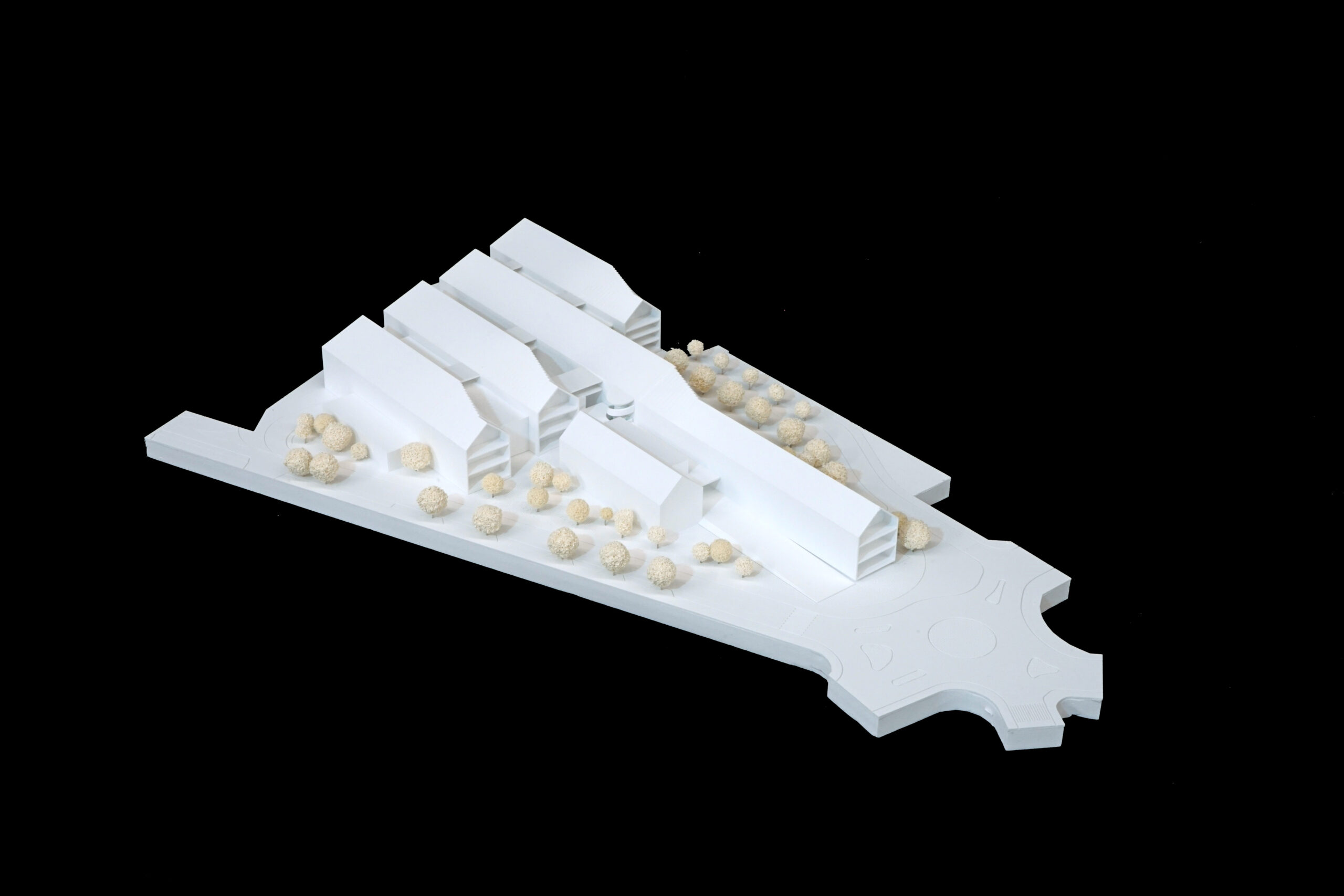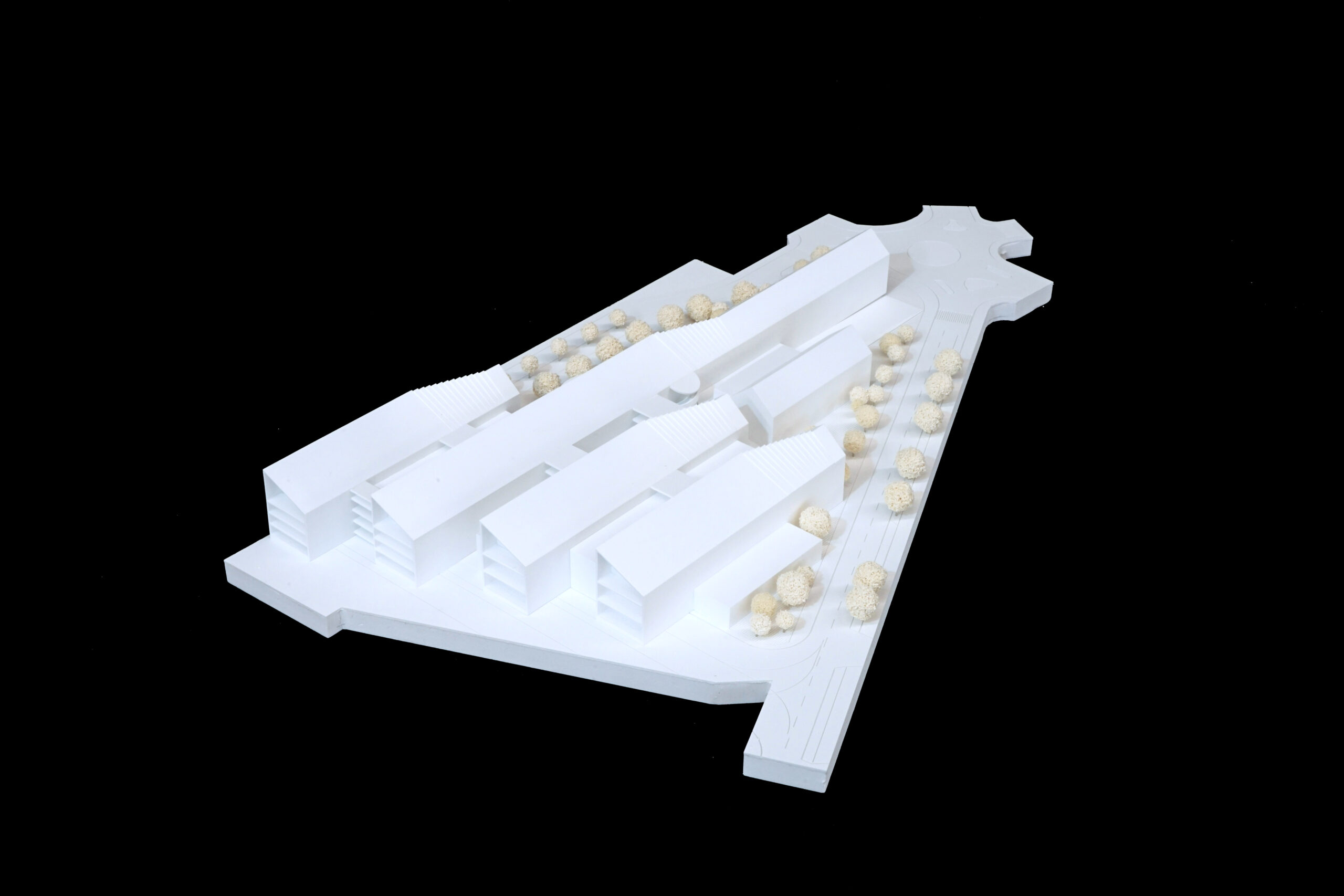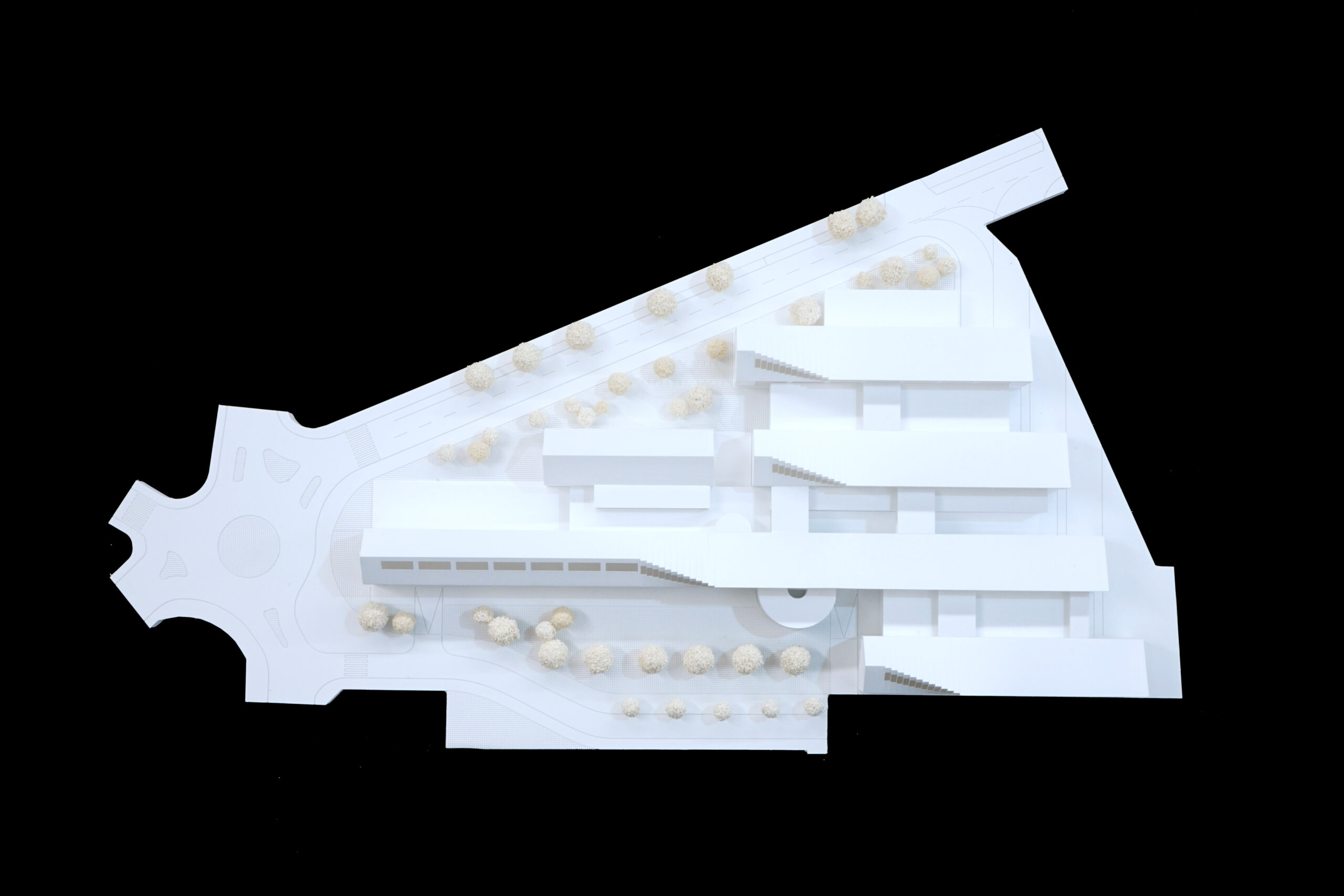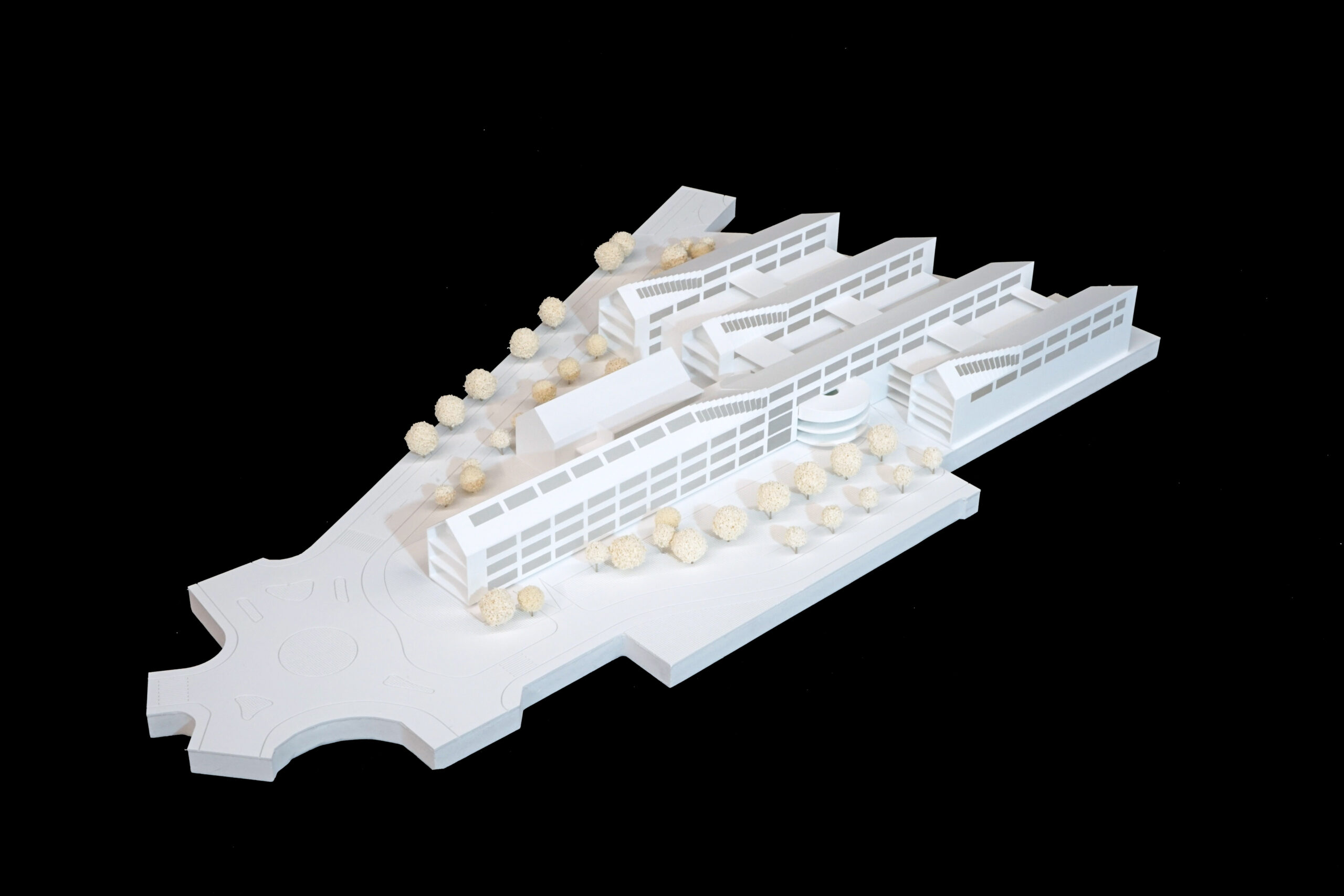

A New Administrative Building in Bayreuth
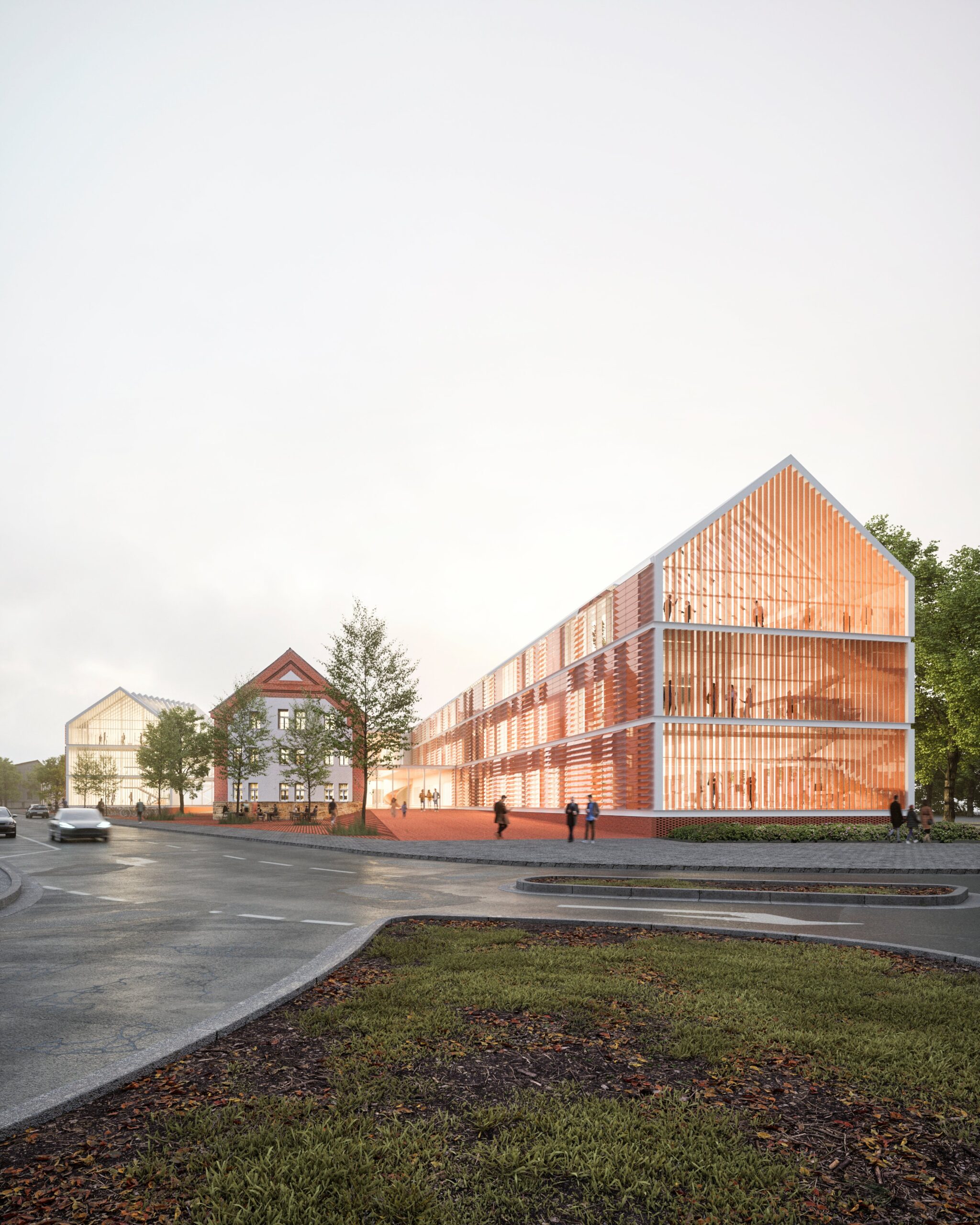
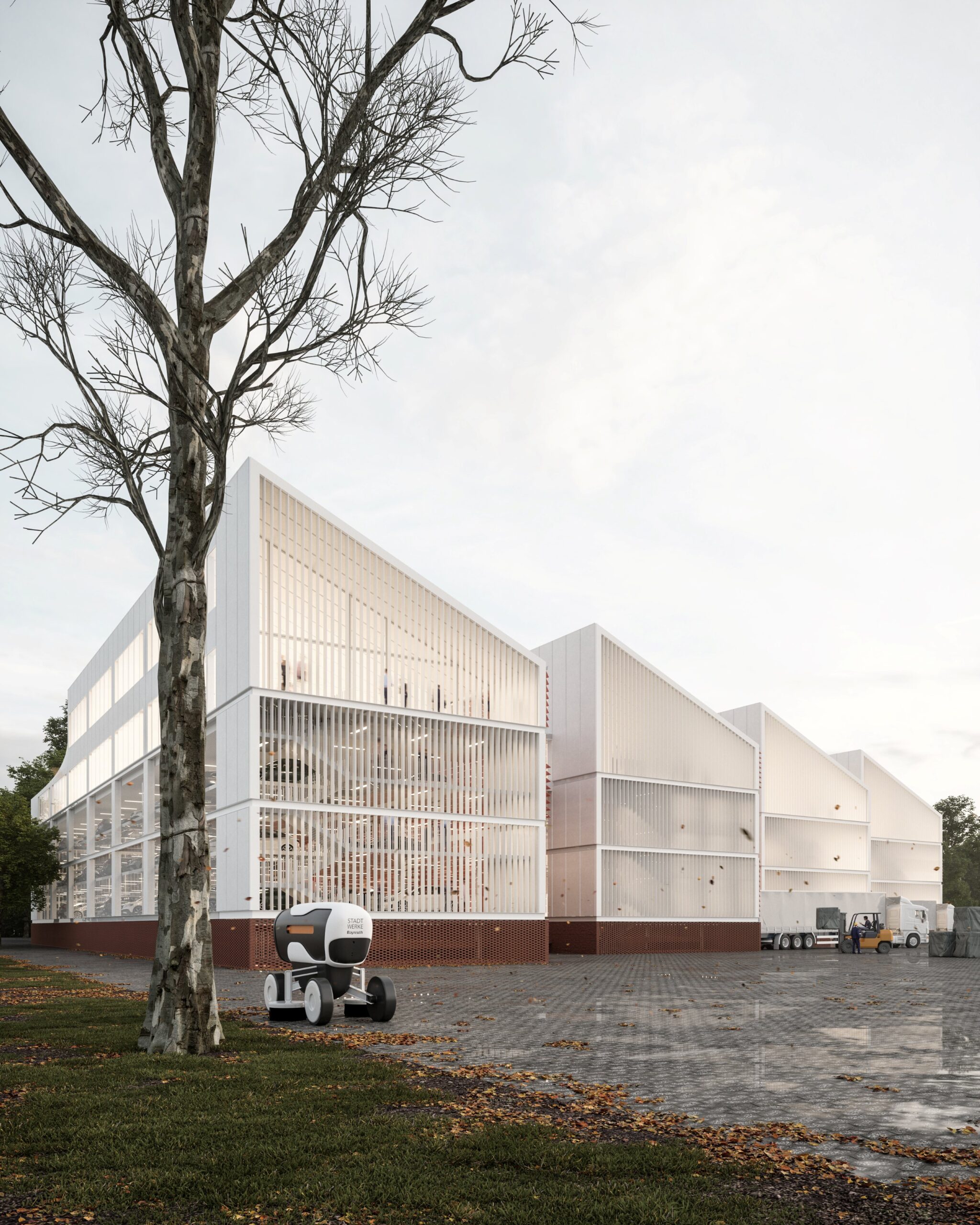
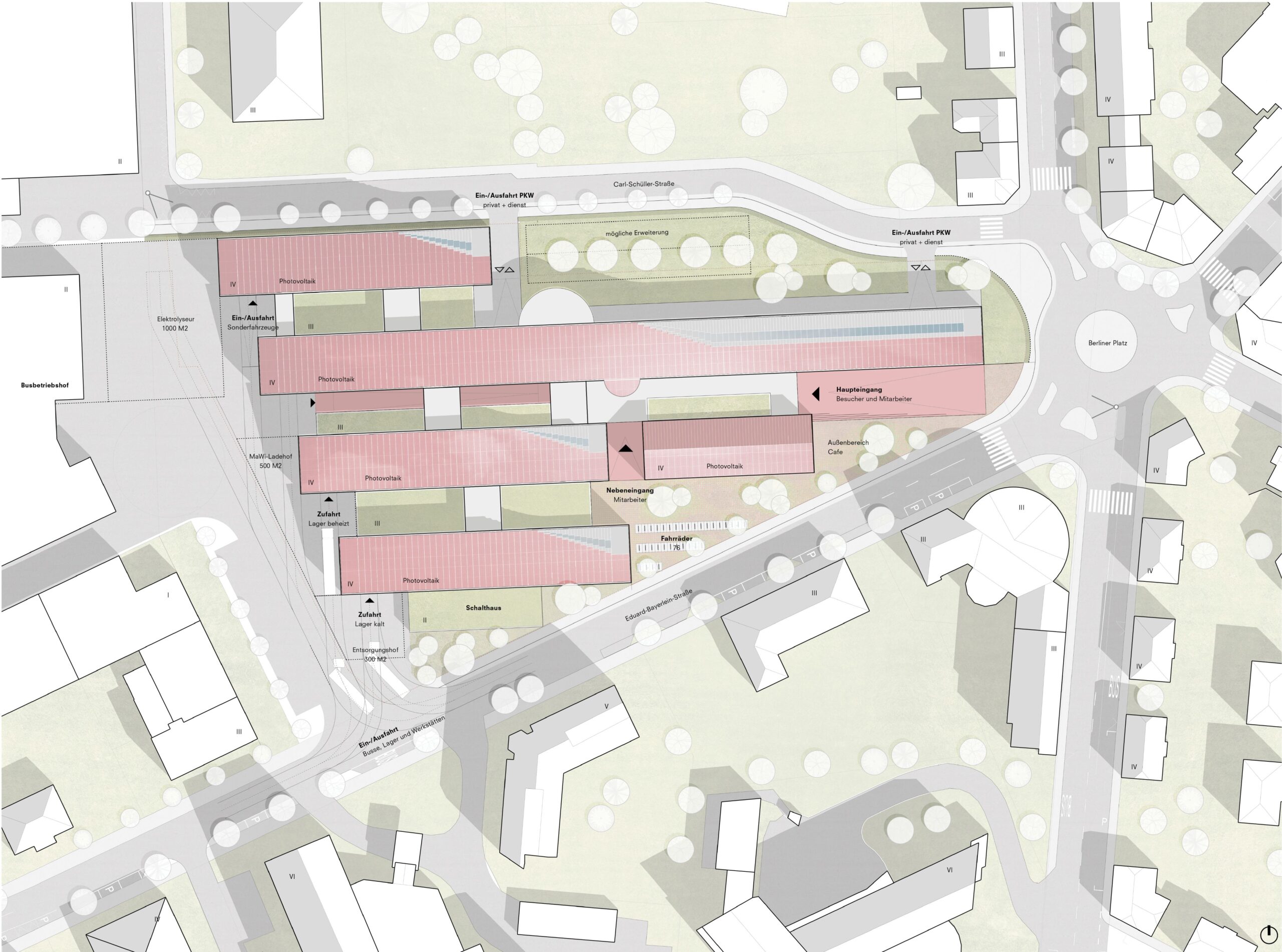
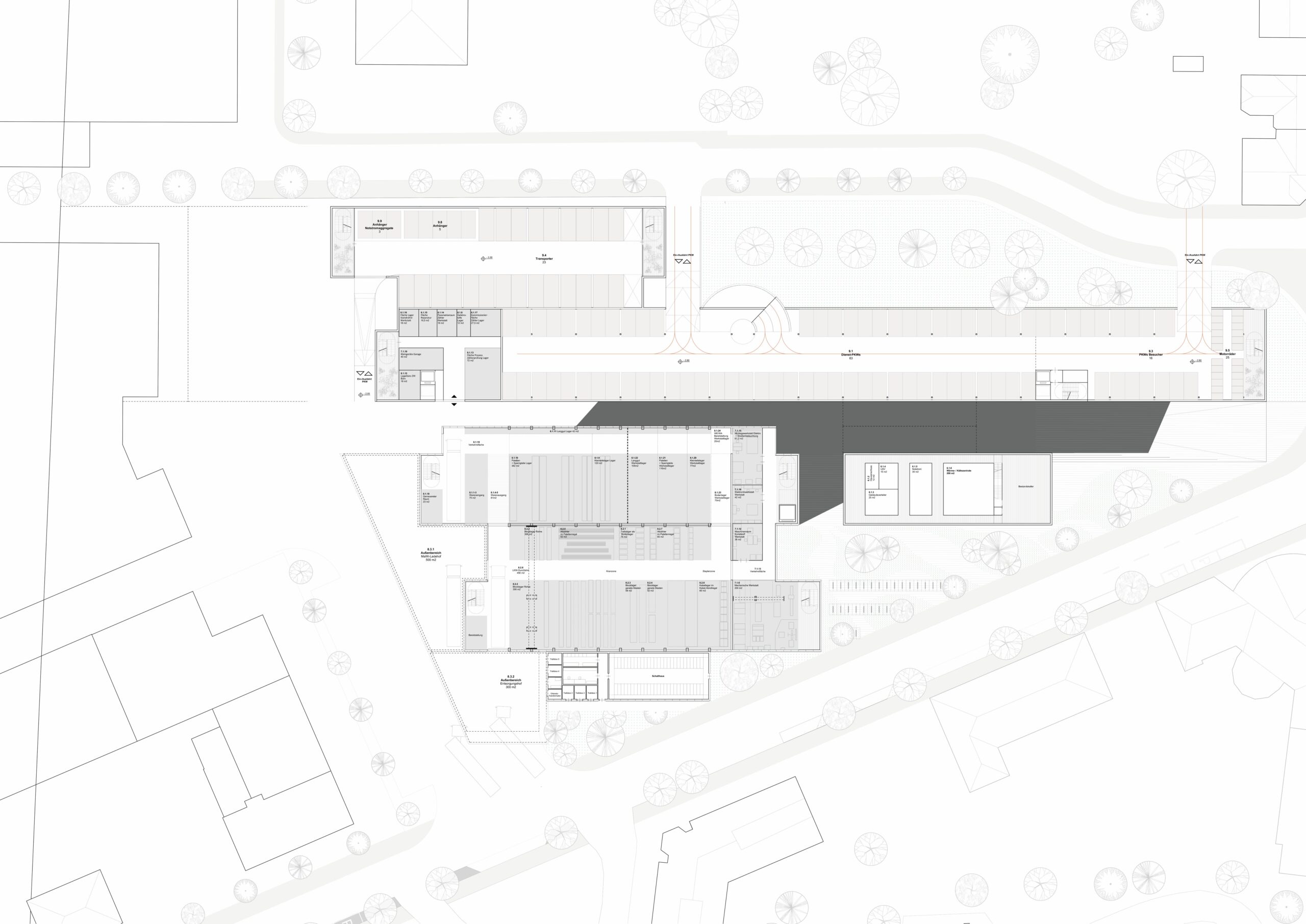
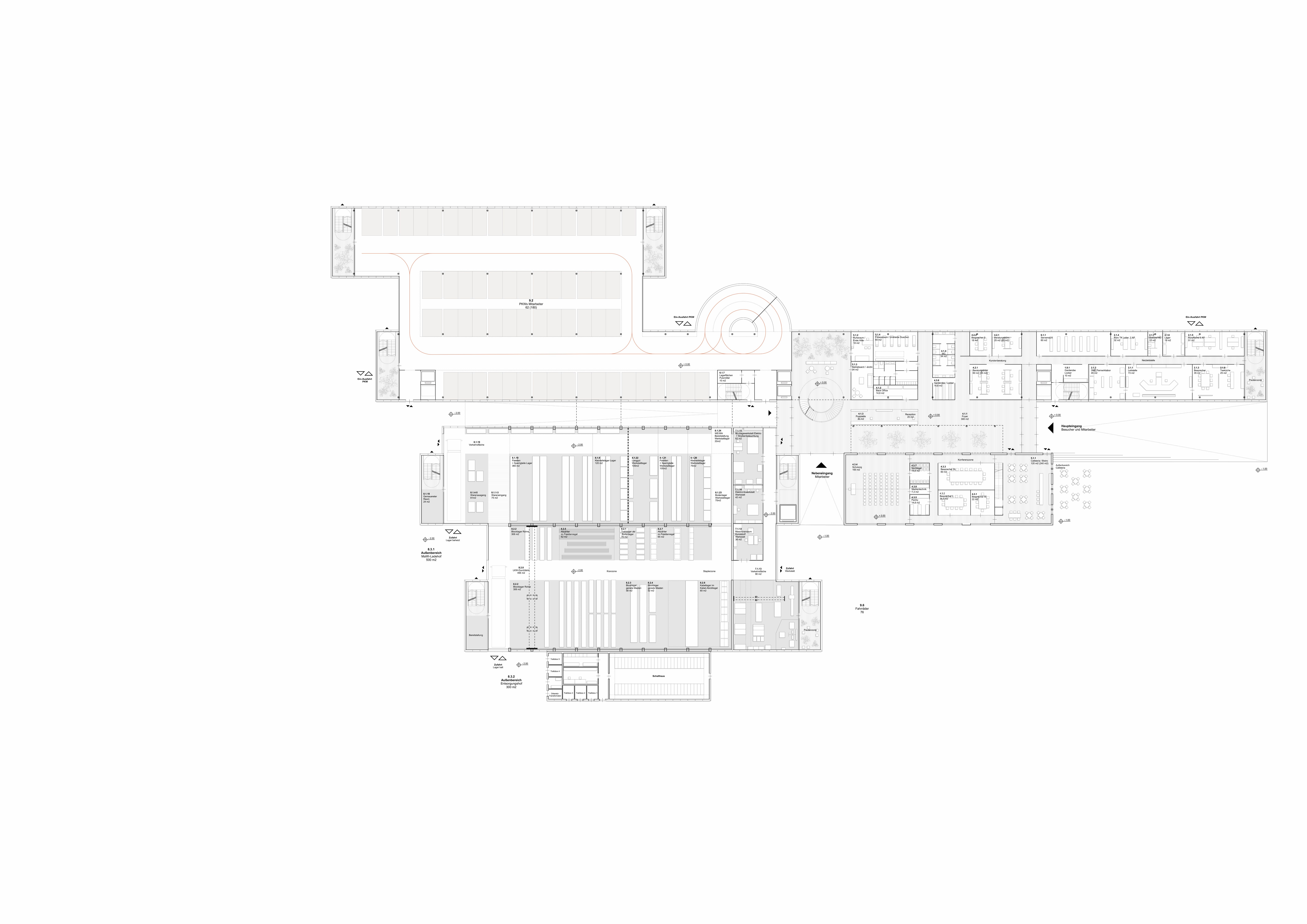
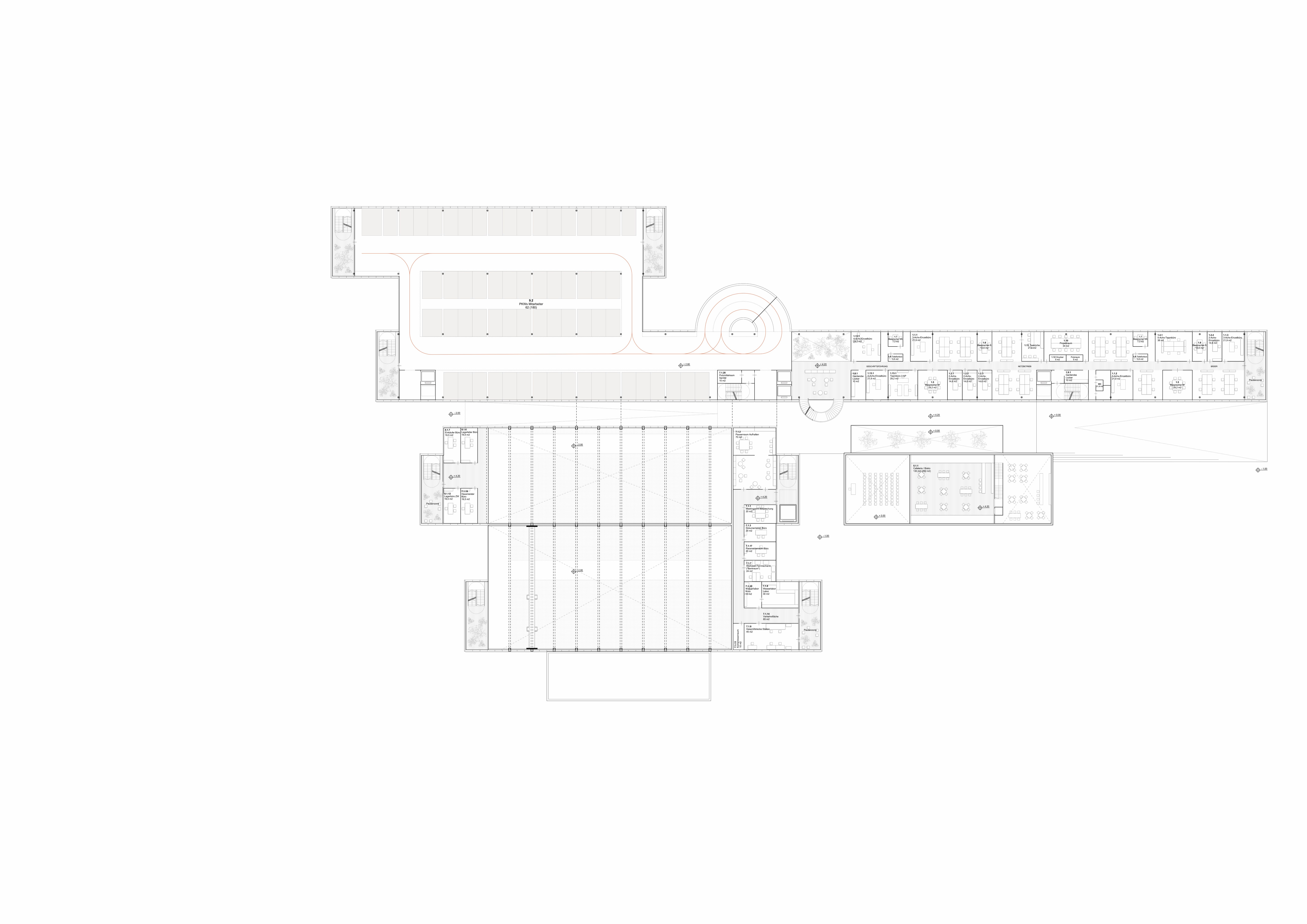
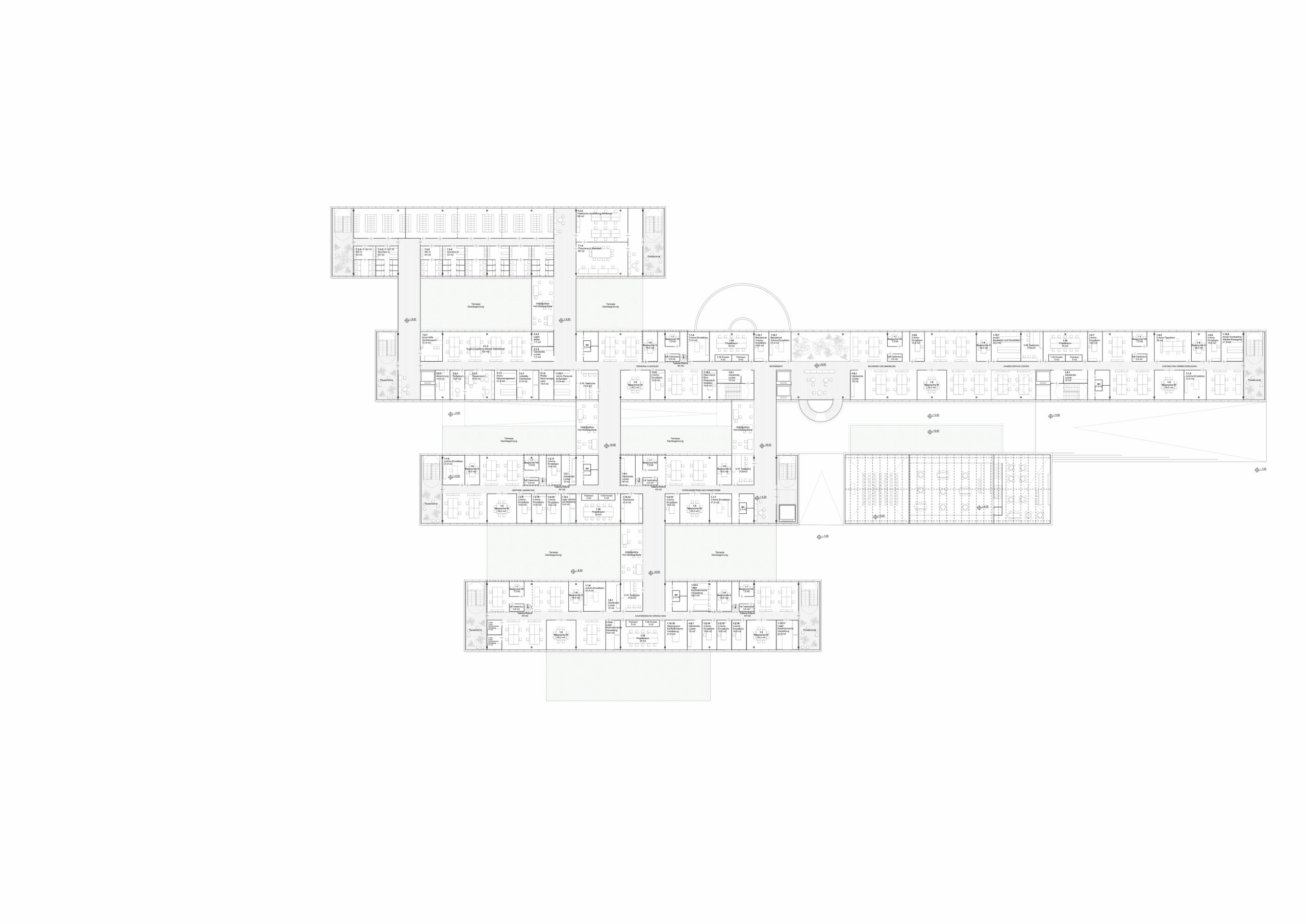
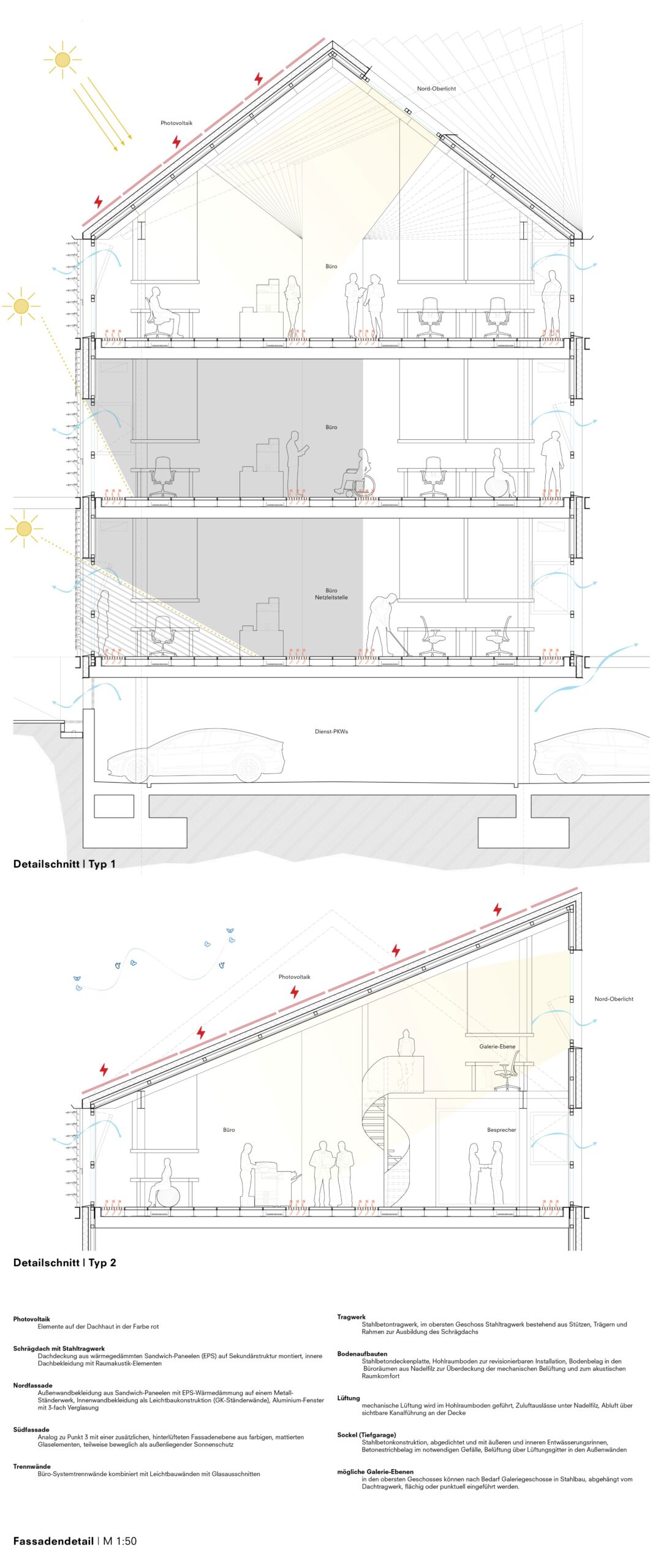
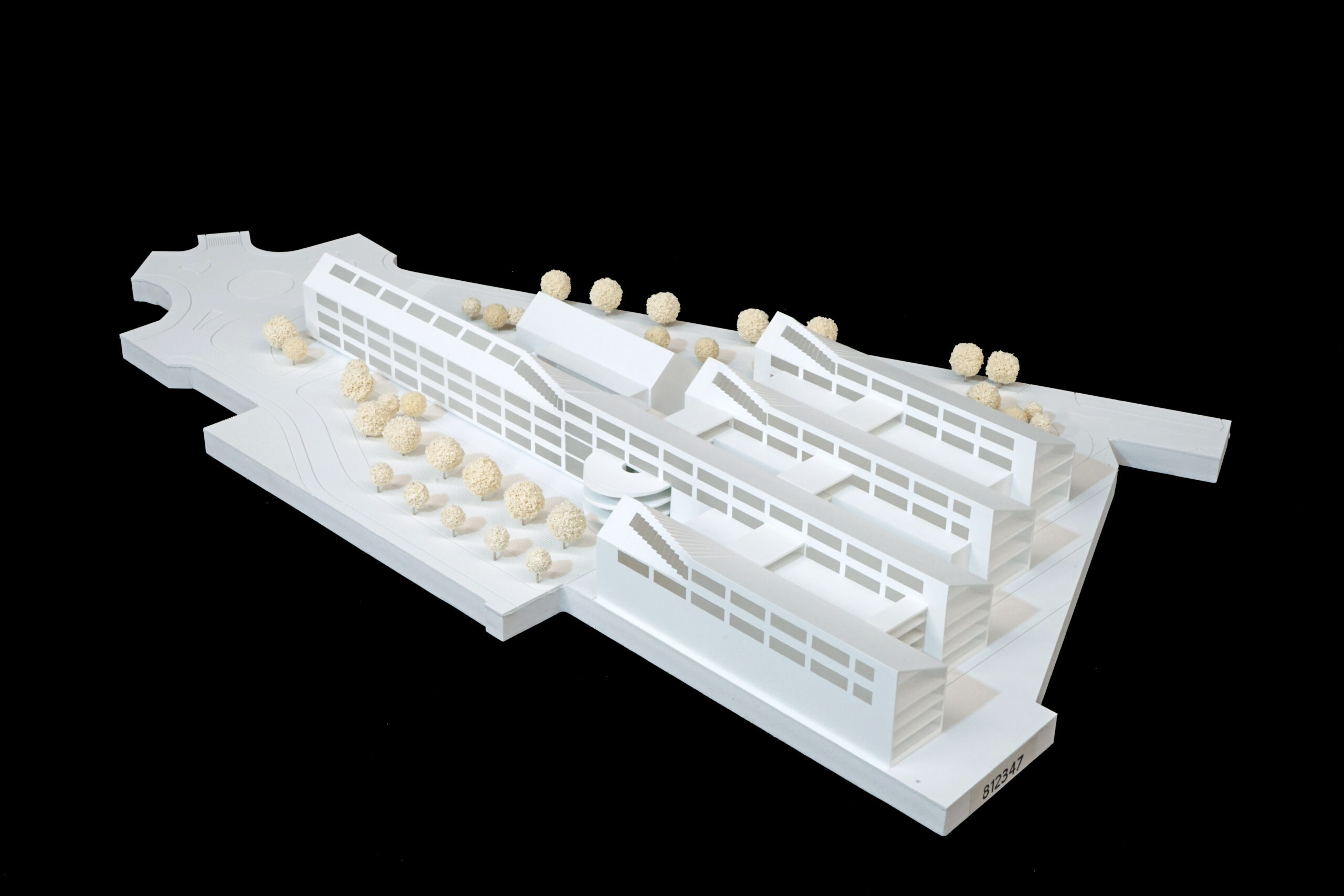
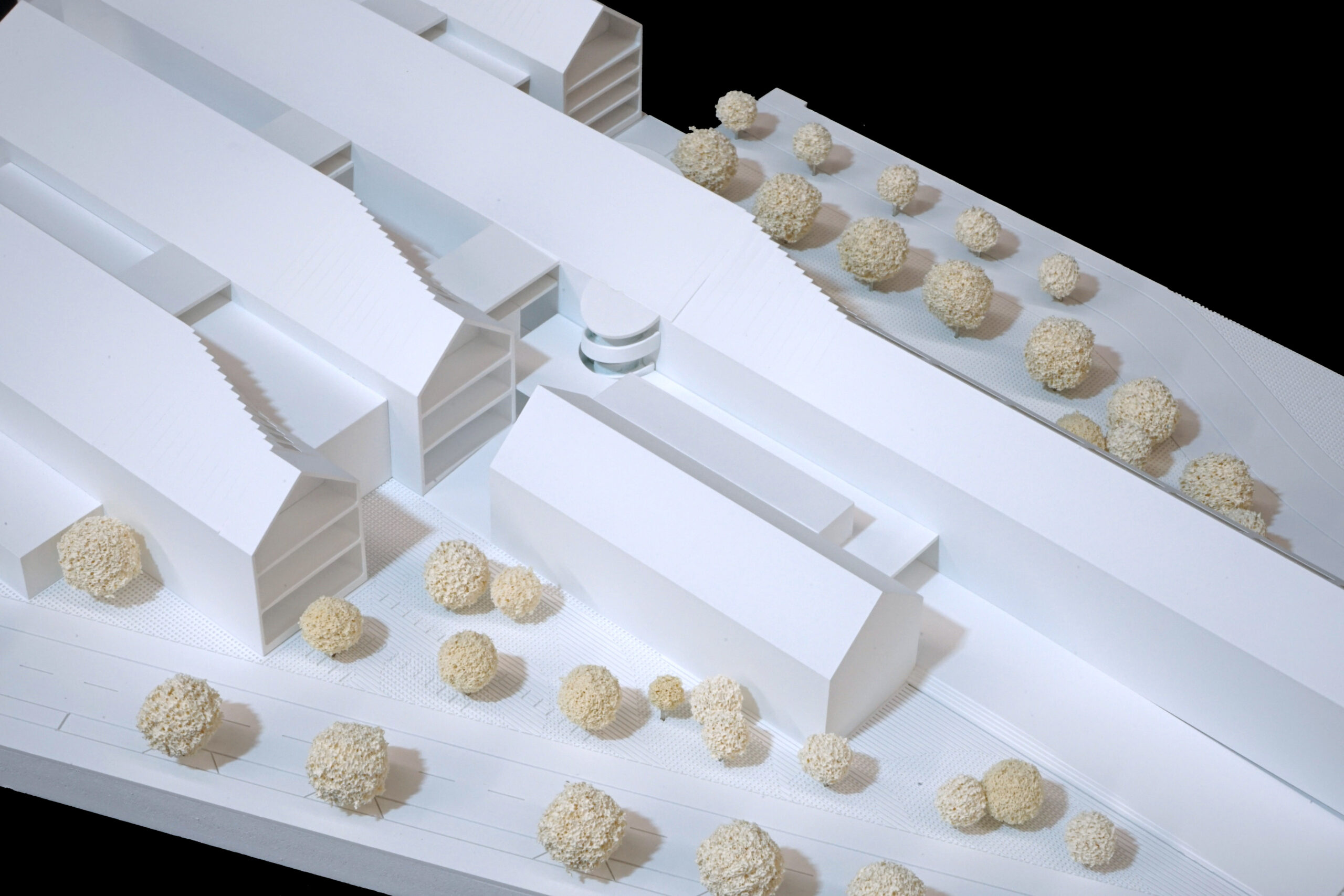
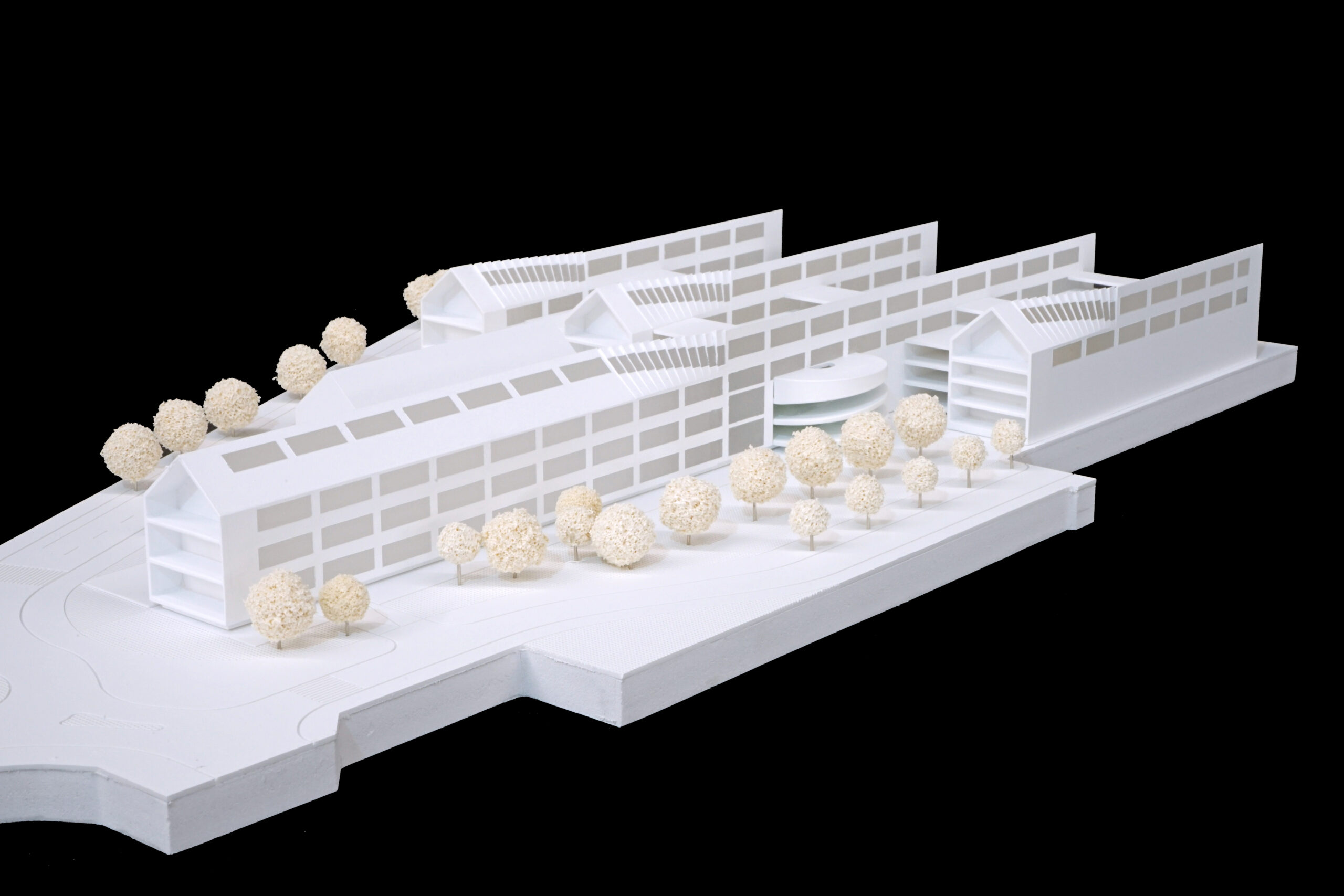
Urban context plays a fundamental role in shaping architectural responses, as buildings must negotiate between different scales, functions, and identities within the city. In transitional zones, such as those between residential neighbourhoods and logistical areas architecture are often becomes a mediator. It reflects the surrounding conditions by adapting its form, orientation, and spatial organization to address contrasting environments. For example, a project may adopt smaller, domestic proportions and pitched roofs toward residential edges while shifting to larger, more industrial forms on the opposite side. This gradual transformation allows the building to act as a bridge, making the urban transition legible and cohesive rather than abrupt. From an architectural perspective, this sensitivity to context is complemented by strategies that prioritize flexibility, connectivity, and sustainability. Horizontal layouts, modular systems, and interconnected volumes can unify diverse programs, such as offices, workshops, and public spaces within a single structure. Circulation elements like central axes, courtyards, and transparent walkways enhance functionality and user experience by promoting light, interaction, and clarity of movement. At the same time, integrating environmental strategies, such as solar canopies or natural lighting. Reinforces the building’s role not only as an urban connector but also as a forward-looking, sustainable landmark.
 Share
Share
 Tweet
Tweet
 Pin it